
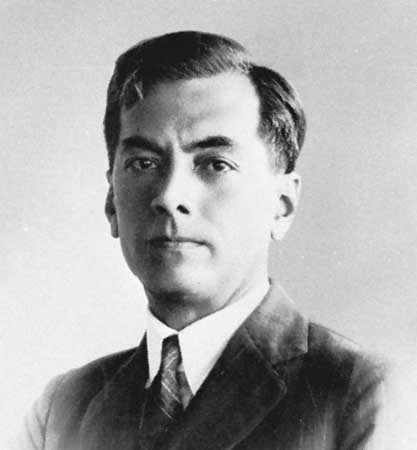
“A nation is not made overnight,” Quezon once said.
But through his voice, his vision, and his sacrifice, he helped mold the Philippines into one.
When Filipinos speak of nationhood, the name Manuel Luis Quezon echoes through time—not merely as the first president of the Philippine Commonwealth, but as a passionate voice who gave the Filipino people their identity, their language, and their first real taste of self-governance.
From Baler to Malacañang: A Revolutionary Journey
Born on August 19, 1878, in the quiet town of Baler, Tayabas (now Aurora), Quezon’s early life was shaped by Spanish colonial rule and the stirrings of revolution. He was the son of a schoolteacher and a parish priest’s sacristan—humble beginnings that belied the future he would shape.
He joined the Philippine Revolution against Spain and later served in the Philippine-American War. After briefly retreating from public life, he completed his law degree and quickly rose through the political ranks. By 1907, he was elected to the Philippine Assembly, and in 1909, he became the Resident Commissioner to the U.S. Congress, advocating tirelessly for Philippine independence.
The Architect of Autonomy
Quezon’s most enduring legacy came when he was elected as the President of the Commonwealth of the Philippines in 1935, under the framework of the Tydings–McDuffie Act—a preparatory government for full independence from the United States.
During his presidency, Quezon laid the groundwork for an independent nation. His administration initiated reforms in land distribution, civil service, defense, and the economy. He established a national defense plan with the help of General Douglas MacArthur, and prioritized social justice by improving labor laws and land tenancy conditions.
But more than policies, Quezon’s leadership inspired a sense of Filipino identity. He was an eloquent orator who could stir both the educated elite and the common farmer.
The Father of the National Language
Of all his contributions, Quezon’s fierce advocacy for a national language stands out. Recognizing that linguistic diversity was a barrier to unity, he championed the development of a common language based on Tagalog, eventually institutionalizing it as Filipino—a bold move that earned him the title Ama ng Wikang Pambansa (Father of the National Language).
“I would rather have a government run like hell by Filipinos than a government run like heaven by Americans,” he famously declared—an unapologetic expression of his belief in Filipino sovereignty, warts and all.
World War II and Final Days
As World War II reached the Philippines, Quezon and his government fled into exile in the United States, continuing the fight for the country’s liberation from afar. His health, however, was deteriorating. Battling tuberculosis, he died on August 1, 1944, in Saranac Lake, New York—never seeing the full independence he so longed for.
He was later buried at Manila North Cemetery, and his remains were eventually transferred to Libingan ng mga Bayani.
Legacy in Stone and Spirit
Today, Quezon’s name is etched into Philippine consciousness—Quezon City, Quezon Province, and numerous institutions stand as daily reminders of his contributions. His image graces the 20-peso bill, and every August, Buwan ng Wika (Language Month) celebrates his vision of unity through a shared tongue.
But his true legacy lies in the idea he championed: that Filipinos could, and should, rule themselves—with dignity, courage, and an unwavering belief in their own identity.